
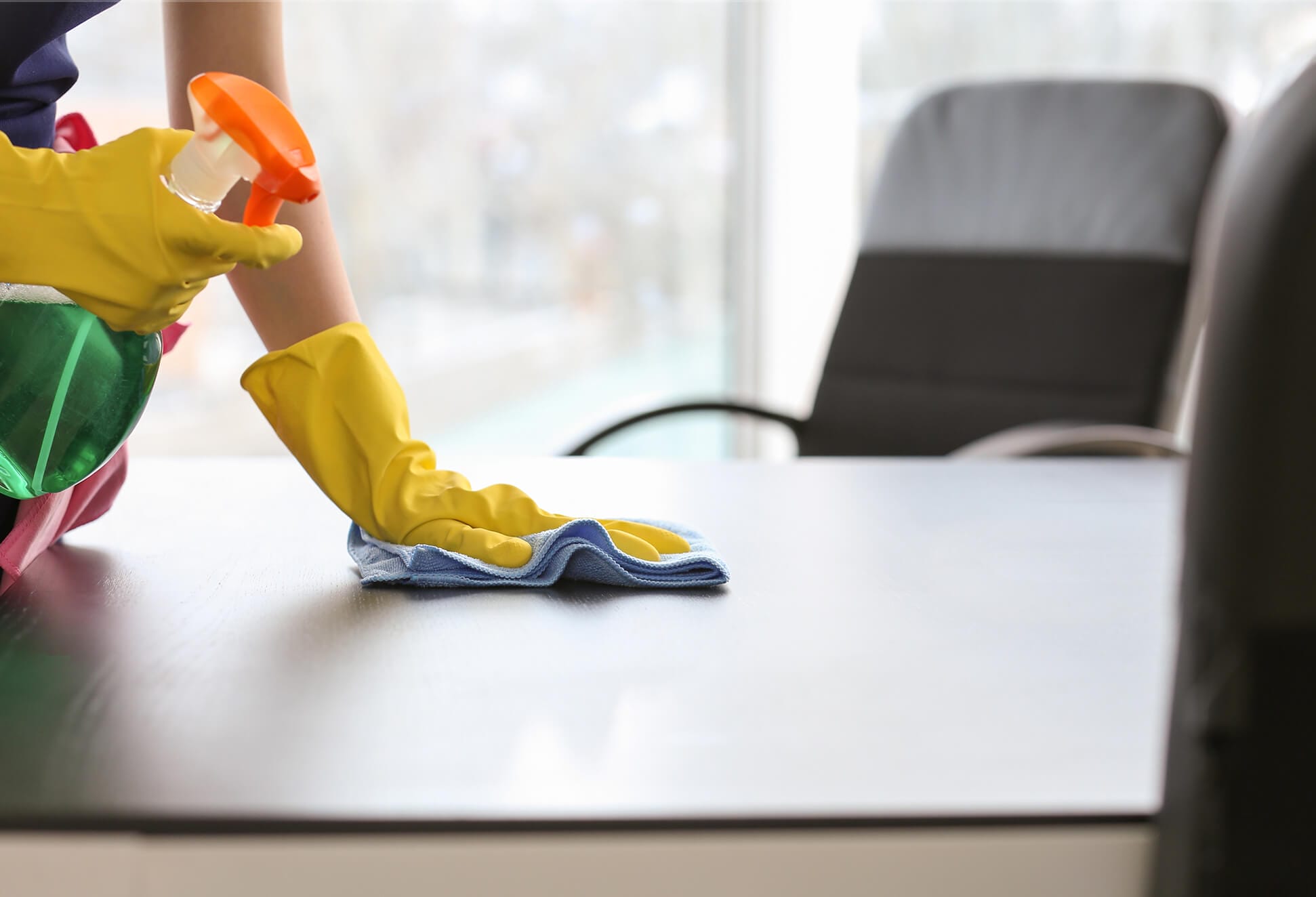
How many custodians does a school building really need? The honest answer is that staffing cannot be determined by square footage alone.
A reliable plan starts with the work that must be completed, the cleaning standard the district adopted, and the time available to perform each task.
That is workloading. Headcount is the output of the model, not the input.
Square Footage Is a Starting Point
Square footage per custodian is a useful benchmark, and most people start with an APPA figure. It is not a staffing plan.
A modern elementary school with mostly classrooms and resilient flooring can be cleaned more efficiently than an older high school with multiple floors, crowded restrooms, carpet, labs, athletic spaces, and heavy evening use.
Student population, building age, floor type, restroom count, entrances, special programs, event schedules, equipment, and travel time all change productivity. Two buildings with the same square footage can require very different labor.
The benchmark also has to sit next to a named appearance level. A school cleaning standards target of Level 2 in restrooms is a different workload than Level 3 in those same rooms.
Where Rules of Thumb Go Wrong
A common mistake is dividing total building square footage by a standard number and calling the result adequate staffing.
That calculation often:
- Includes storage rooms and mechanical areas that need little daily service
- Undercounts high-labor spaces such as restrooms, cafeterias, and locker rooms
- Ignores snow removal, event setup, deliveries, summer projects, grounds, and equipment maintenance
- Leaves no time for breaks, travel between areas, absentee coverage, or training
When staffing is cut without changing the service expectation, quality declines or essential work is deferred. That is one of the recurring school custodial management problems boards later treat as a performance issue.
Build a Workload-Based Staffing Plan
A stronger approach lists every area and records:
- Size and space type
- Required cleaning frequency
- Expected quality level
- Realistic task time
Then add non-cleaning responsibilities, breaks, travel, absentee coverage, training time, and periodic project work. The result is a transparent model of labor hours, not a preferred headcount.
School custodial evaluations and inspection trends tell you whether the model is honest. If the same restrooms fail every week, the route time is wrong, not just the person on the route. Custodial training in schools cannot make an understaffed route look like a fully staffed one.
Making the Case to the Board
Boards respond to evidence. A usable staffing request shows:
- Current staffing
- Calculated workload hours
- The adopted service expectation by space type
- Overtime, absenteeism, and deferred work
- Inspection results, complaints, and safety concerns
Then it offers options:
- Maintain staffing and the current service level
- Reduce staffing and name the services that will change
- Add staff to meet the adopted standard
The strongest request connects people, workload, service levels, and measurable outcomes. If the district needs help building that model on site, on-site custodial evaluations and in-person custodial training can be scoped around the actual buildings rather than a generic ratio.
Need an Objective Baseline for Your District’s Buildings?
We help K-12 school districts evaluate building cleanliness against APPA standards, balance custodial workloads across shifts, and present clear options to leadership. Talk through your buildings, staffing, and APPA targets with our team, or see how our on-site custodial evaluations work.
Frequently Asked Questions About Custodial Staffing
There is no single ratio that works for every building. Square footage is a starting benchmark. Restroom count, floor type, events, and the adopted cleaning level change the labor required.
Workloading is the process of listing spaces, tasks, frequencies, and times to calculate the labor hours a building needs. Headcount comes from that calculation.
They treat all square footage as equal and often ignore restrooms, events, travel time, absences, and project work. Schools have more high-labor space than a typical office building.
Show the current headcount, the calculated hours, the adopted standard, and what service will change under each option. Boards can decide among clear choices. They cannot evaluate a single unexplained number.