
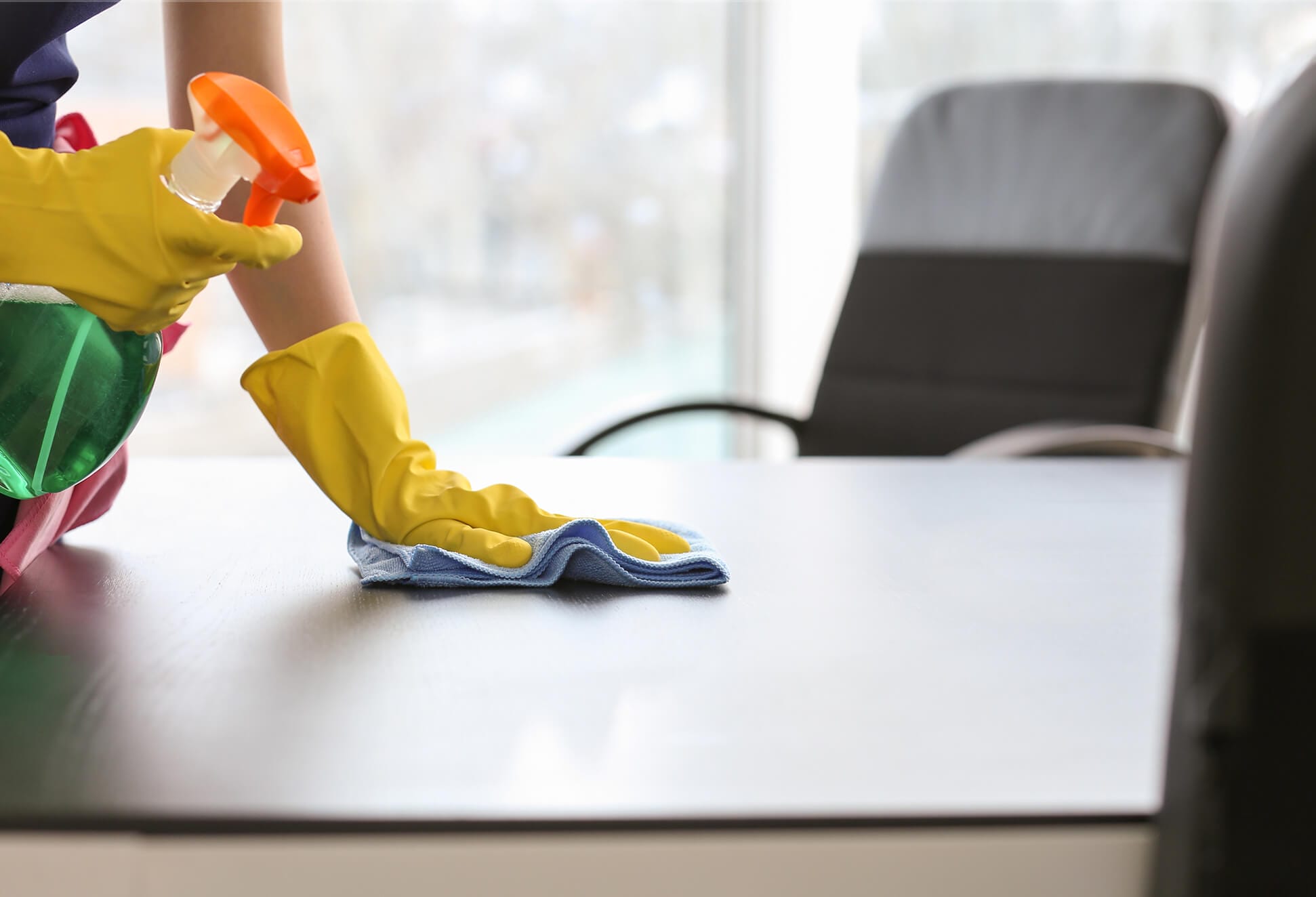
A safe custodial program depends on more than common sense. Districts need written procedures, task-specific training, proper equipment, and records showing employees understand how to work safely.
School custodians handle chemicals, bodily fluids, powered equipment, and ladders in buildings full of students. The protocol is not paperwork. It is how the district keeps both employees and occupants out of preventable harm.
The sections below are the core set: chemicals, PPE, spill response, equipment, and documentation.
Chemical Handling, Storage, and Labeling
Custodians should use chemicals only as the manufacturer directs. Never mix products unless the label specifically permits it.
- Keep chemicals in secured, ventilated storage
- Separate incompatible products
- Keep a readable label on every container
- Label every secondary container
- Keep current Safety Data Sheets accessible
Employees must know how to read a label, find hazard information, and respond to an exposure. Dilution and dwell time belong in the same conversation. A product used at the wrong strength is both a safety problem and a cleaning problem.
The approved products and the order of use should live in custodial SOPs, not in someone’s memory of ‘how we have always done it.’
PPE Must Match the Task
Gloves are not the only form of personal protective equipment. The district’s hazard assessment should determine when employees need eye or face protection, protective clothing, slip-resistant footwear, respiratory protection, or other PPE.
Staff must be trained on selection, use, limitations, removal, cleaning, storage, and replacement. PPE that sits in a closet because nobody was taught when to wear it is not a protocol.
Bodily Fluids and Spill Response
Custodians who may encounter blood or other potentially infectious material need site-specific bloodborne-pathogen training. A usable spill procedure covers:
- Isolating the area
- Wearing the required PPE
- Using the approved cleanup kit and disinfectant
- Handling sharps safely
- Disposing of contaminated materials
- Washing hands
- Reporting an exposure and getting prompt post-exposure evaluation
Health rooms and restrooms are where this fails most often, because the event feels routine. The procedure has to be the same every time. That is a training issue as much as a supplies issue, which is why it belongs in custodial training in schools, on the school cleaning checklist, and in the school custodial cleaning manual.
Equipment and Ladder Safety
Before use, employees should inspect equipment, follow the manufacturer instructions, keep guards and cords in good condition, disconnect power before servicing, and report defects immediately.
Ladder users must select the correct ladder, inspect it, place it on a stable surface, maintain three points of contact, and never stand above the permitted step.
Most equipment injuries in this work are not dramatic. They are a missing guard, a damaged cord, or a ladder used because the right one was on another floor.
Train It, Then Document It
Districts should document required hazard communication, PPE, bloodborne-pathogen, equipment, ladder, emergency, and site-specific procedure training. Records should identify the topic, date, instructor, attendees, materials used, and demonstrated competency.
Written plans, hazard assessments, inspection records, exposure reports, and retraining should be maintained as required by applicable OSHA or MIOSHA standards.
Safe work has to be tied to the school custodian job description and then taught, practiced, supervised, and documented. That is the point of in-person custodial training: not a lecture about safety, but task-level practice on the district’s own chemicals and equipment.
Ready to Replace Informal Shadowing with Hands-On Custodial Training?
We run on-site custodial training for school districts using your buildings, your chemicals, and your equipment so new hires and veteran staff work to the same standard. Learn more about our in-person custodial training program or reach out to plan a session for your team.
Frequently Asked Questions About School Custodial Safety Protocols
At minimum: hazard communication, PPE, bloodborne pathogens if exposure is reasonably anticipated, equipment and ladder use, and the site-specific procedures for chemicals and spills.
In a secured, ventilated area, with incompatible products separated, readable labels on every container including secondary bottles, and current Safety Data Sheets available to staff.
Isolate the area, put on the required PPE, use the approved kit and disinfectant, handle sharps safely, dispose of contaminated material, wash hands, and report any exposure for follow-up.
It shows who was trained, on what, and when. It also gives the district a record to retrain against when products, equipment, or assignments change.